E-commerce Trends
2 months ago

The Role of Discounts in E-commerce Trends

Author Avatar
Codebeans Discount Engine
The Role of Discounts in E-commerce Trends

Introduction

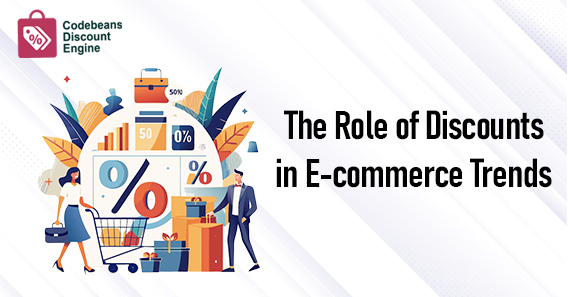
E-commerce trends have grown at a lightning-fast pace over the past decade, transforming the way people shop and the way businesses sell. In today’s digital-first world, one of the most powerful tools merchants use to attract, engage, and retain customers is discounts. Far from being just a short-term sales booster, discounts have evolved into a strategic element shaping the broader landscape of e-commerce trends.

In this article, we’ll explore how discounts play a pivotal role in modern online shopping, why they influence consumer behavior, and what emerging trends are defining the way brands use discounts in 2025 and beyond.

Why Discounts Matter in E-commerce

Discounts aren’t just about slashing prices; they tap into human psychology. Shoppers love the thrill of a deal. A well-timed or well-structured discount creates urgency, increases perceived value, and pushes customers closer to completing a purchase.

Here are some reasons why discounts hold such weight in e-commerce:

1. Increased Conversion Rates – A discount reduces hesitation, especially for first-time buyers, by lowering perceived risk.
2. Customer Acquisition – Many customers discover a new brand through a promotional offer or a seasonal discount.
3. Boosting Average Order Value (AOV) – Offers like “Buy X Get Y” or tiered pricing encourage shoppers to add more to their carts.
4. Reducing Cart Abandonment – Cart abandonment rates are notoriously high in e-commerce, but discounts can nudge hesitant buyers to complete the purchase.
5. Building Loyalty – Exclusive discounts for repeat buyers or loyal members foster long-term relationships.

Discounts as a Reflection of Consumer Behavior

E-commerce discounts don’t just increase sales — they reflect how consumer expectations have evolved. Today’s customers expect personalization, instant gratification, and value-driven experiences. Discounts have adapted to these expectations in several ways:

  • Personalized Discounts – Instead of generic coupons, brands now offer tailored discounts based on browsing behavior, purchase history, or cart size.
  • Time-Sensitive Offers – Flash sales and limited-time deals leverage the “fear of missing out” (FOMO) psychology.
  • Omnichannel Discounts – Customers expect consistency across channels — whether they shop via mobile, desktop, or in-store pickup.

Shoppers no longer see discounts as a bonus; they often consider them a standard part of the online shopping journey.

Key E-commerce Trends Shaped by Discounts

Discounts are no longer a one-size-fits-all tactic. They’ve evolved into a sophisticated strategy influenced by technology, data, and changing customer expectations. Let’s look at the major trends where discounts play a central role:

1. Dynamic Pricing and Real-Time Discounts

With AI and machine learning, many e-commerce businesses now use dynamic pricing strategies. Discounts can be adjusted in real time based on demand, inventory levels, and customer segments. For example, frequent buyers may get instant personalized offers, while seasonal products may be dynamically discounted to clear stock.

2. Gamification of Discounts

E-commerce brands are turning discounts into interactive experiences. Spin-the-wheel pop-ups, quiz-based rewards, or mystery discount boxes make shopping fun while boosting engagement and conversions. Gamified discounts also increase the time customers spend on a site, improving brand recall.

3. Subscription and Loyalty Discounts

Subscription commerce is booming, and discounts are the key incentive driving sign-ups. From discounted first-month trials to loyalty-based rewards, e-commerce companies use these offers to reduce churn and ensure recurring revenue.

4. Buy More, Save More Strategies

Tiered pricing and bulk discounts are rising as customers seek value for money. Offers like “Buy 2, get 20% off” or “Spend $100 and get $20 off” are trending because they simultaneously increase order value and satisfy customers looking for bigger savings.

5. Discounts on Social Commerce

With platforms like Instagram Shops, TikTok Shopping, and Facebook Marketplace, brands are experimenting with exclusive discounts for social shoppers. Limited-time codes shared via influencers or live streams have become a powerful trend for driving conversions directly on social media platforms.

6. Eco-Friendly Discounts

Sustainability has entered discounting strategies, too. Some brands now reward customers with discounts for eco-friendly actions like choosing slower shipping, reusing packaging, or recycling products. This not only appeals to conscious consumers but also builds brand trust.

The Role of Technology in Discount Strategies

The modern discounting landscape wouldn’t exist without technology. Tools like Codebeans Discount Engine allow merchants to create flexible, automated, and data-driven discount campaigns. Instead of manual coupon codes, merchants can set conditions like:

  • “Buy X, Get Y free.”
  • “Spend above $50 and get 15% off.”
  • “Offer tiered discounts based on cart size.”

Automation ensures these campaigns run seamlessly, saving time and reducing errors, while also improving customer experience at checkout.

Balancing Discounts Without Hurting Profit Margins

While discounts are powerful, overusing them can harm profit margins and devalue a brand. The smartest e-commerce businesses balance promotions with sustainable strategies. Some ways to achieve this include:

  • Strategic Timing – Running discounts during holidays, product launches, or clearance events.
  • Segmented Targeting – Offering discounts only to new customers, abandoned cart users, or VIP buyers.
  • Value-Added Offers – Instead of only reducing prices, bundling products, or offering gifts, add perceived value without huge profit cuts.

Future Outlook: Where Discounts Are Heading

As e-commerce continues to evolve, discounts will remain a central pillar but will take new forms shaped by technology and consumer preferences. The future trends may include:

1. AI-First Discounts – Fully predictive offers delivered at the exact moment a customer is most likely to convert.
2. Augmented Reality (AR) Discounts – Interactive AR shopping experiences where users unlock deals by engaging with virtual try-ons or in-app events.
3. Blockchain-Based Discounts – Secure, trackable discounts and loyalty tokens using blockchain technology.
4. Hyper-Personalization – Discounts so tailored that every shopper essentially gets their own unique pricing journey.

Conclusion

Discounts are no longer just price cuts — they are strategic tools shaping e-commerce trends. From gamified experiences to AI-powered personalization, they influence how customers discover brands, shop online, and stay loyal. For e-commerce merchants, the key lies in using smart discount strategies that balance customer delight with profitability.

With apps like Codebeans Discount Engine, creating flexible, automated, and impactful discount campaigns has never been easier. As e-commerce trends evolve, discounts will continue to play a central role in driving growth, loyalty, and innovation.

READY TO GET STARTED?

Join us, 10+ businesses transforming their user experience with Codebeans Discount Engine.

Choose Plan
  • Set up in minutes—no coding required.
  • 24/7 support to help you every step of the way.
  • Boost conversions with automated promotions instantly.
Blog

Latest Articles

E-commerce Revolution
Discounts Driving the Next E-commerce Revolution